

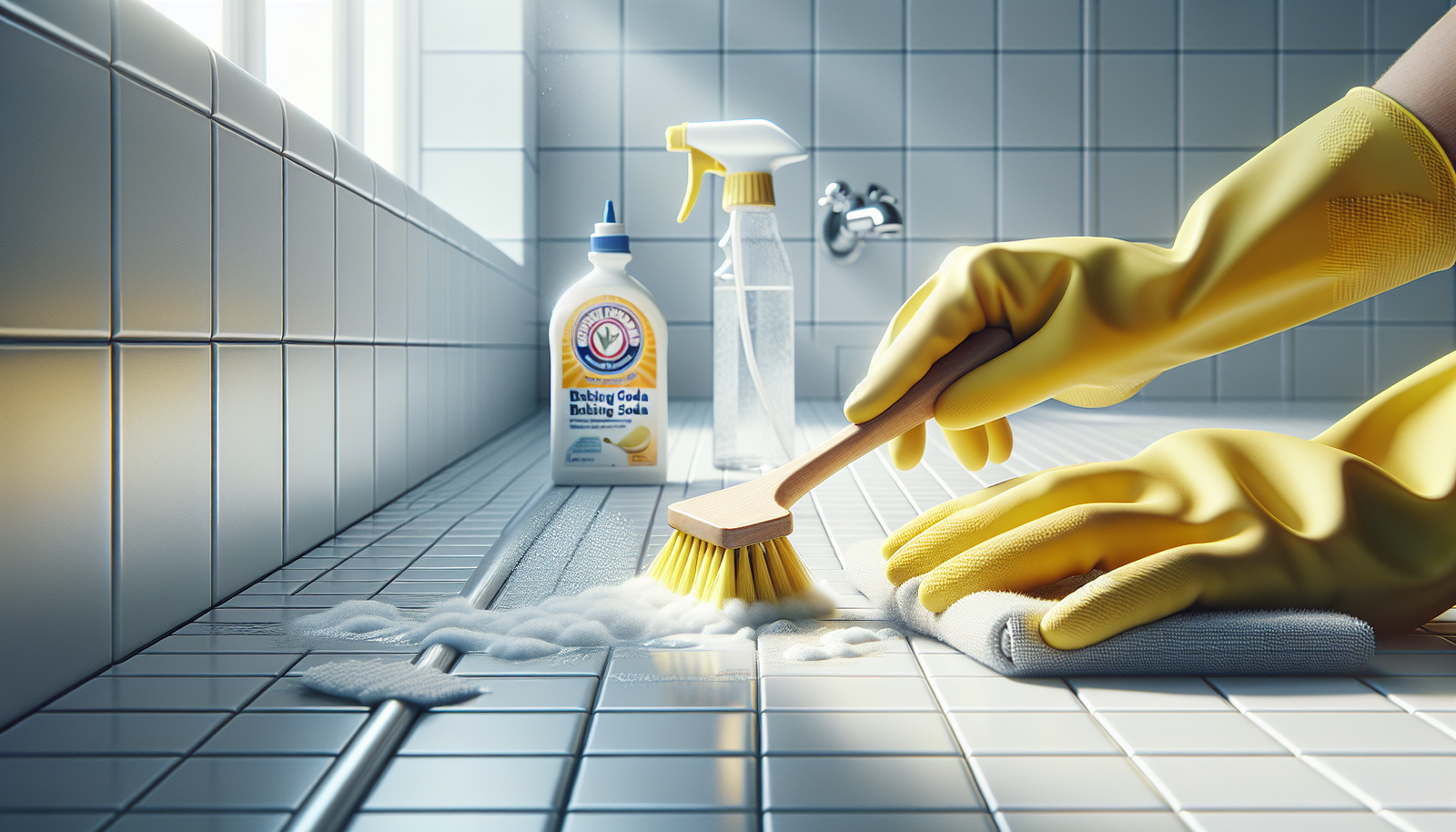
Grout is the porous filler between tiles that traps dirt, soap scum, mold, and oils, so learning how to clean grout properly is essential for keeping bathrooms and kitchens fresh. When you understand grout types, safe cleaners, and sealing schedules, you can restore stained lines and prevent future buildup with less effort.
Table of Contents
Why Grout Gets Dirty and How to Assess the Problem
Grout is a porous material that fills the gaps between tiles and keeps them bonded and aligned, and its absorbency is the key reason you must know how to clean grout regularly. Sanded cementitious grout is strong but highly porous, unsanded grout is smoother yet still stain‑prone, while epoxy and urethane grouts resist moisture but can still dull from residue.
Common causes of discoloration include foot traffic, kitchen grease, soap scum, mold and mildew in humid areas, hard‑water minerals, and dye transfer from textiles or cleaners. Ceramic and porcelain tiles tolerate stronger products, but natural stone requires pH‑neutral cleaners only because acids and harsh alkalis can etch the surface.
A quick assessment helps set expectations before you decide how to clean grout in each area. Check grout age, whether it has been sealed, depth of staining, soft or missing joints, and any musty odors that could signal hidden mildew. Use a simple water bead test: if droplets soak in rather than bead up, the grout is unsealed and will stain more easily.
Preparation and Essential Tools for Safe and Efficient Cleaning
Good tools make learning how to clean grout much easier and safer. A stiff nylon grout brush, toothbrush for corners, microfiber cloths, spray bottles, bucket, and spray mop form the basic kit, while a steam cleaner and grout saw or rotary brush help with heavy buildup.
Recommended products include baking soda, hydrogen peroxide, oxygen bleach powder, tile‑safe detergents, and pH‑neutral stone cleaners. Always wear gloves, consider goggles and a mask with stronger chemicals, and ventilate the room to avoid inhaling fumes. Never mix bleach with ammonia or vinegar, and avoid vinegar entirely on natural stone or sealed grout.
Before you start, sweep or vacuum loose debris, test each cleaner in an inconspicuous spot, protect adjacent materials with plastic, and plan 45–90 minutes for an average bathroom or 30–60 minutes for a typical kitchen. If you prefer greener methods, remember that baking soda, peroxide, and oxygen bleach are generally biodegradable once rinsed, though pets and children should be kept off wet surfaces until dry.
Everyday Cleaning Methods and Safe DIY Solutions
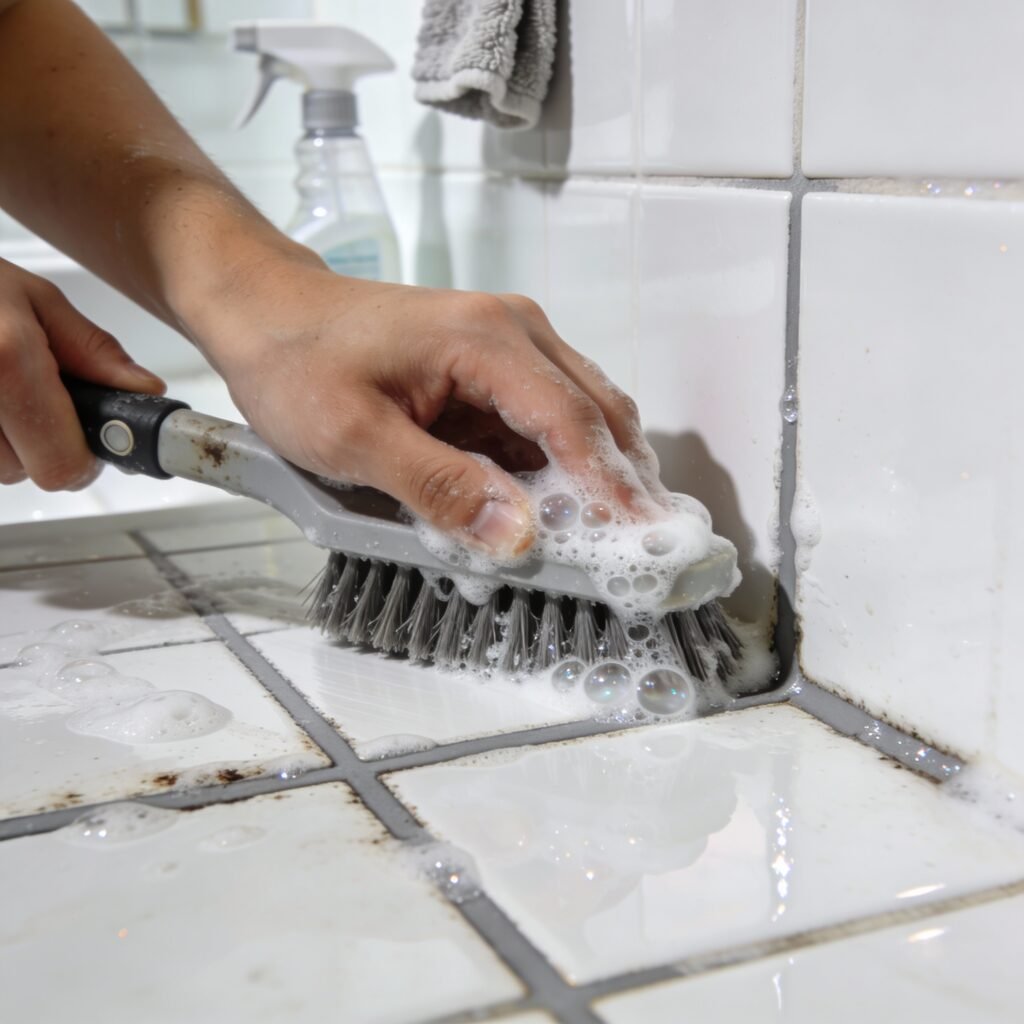
A simple, regular routine is the easiest way to master how to clean grout without harsh chemicals. For light buildup, fill a spray bottle with mild dish soap and warm water, mist the grout, let it sit for a few minutes, then scrub with a nylon brush at a 45‑degree angle and wipe away slurry with a damp microfiber cloth before rinsing and drying.
A proven DIY paste mixes three parts baking soda to one part hydrogen peroxide to tackle organic stains and yellowing. Spread the paste along grout lines, let it dwell for 10–30 minutes, scrub in small circles, then rinse thoroughly and dry; always spot‑test colored grout to ensure the peroxide does not lighten pigments.
White vinegar diluted 1:1 with water can dissolve soap scum and light mineral deposits on ceramic or porcelain grout, but it must never be used on natural stone because acids cause etching. For deeper whitening on most grout types, dissolve oxygen bleach in warm water, soak the lines for 10–15 minutes, scrub gently, and rinse well to remove residue and keep fumes mild.
When choosing commercial cleaners, pick products labeled specifically for grout and check pH recommendations, using only neutral or alkaline formulas on stone tiles. Enzyme‑based cleaners help with organic grime and mildew, while many professionals rely on oxygen‑based powders for deep brightening when everyday DIY methods no longer suffice.
Tackling Stubborn Stains and Deep Restoration
For heavy buildup, a diagnostic approach helps you decide how to clean grout most effectively. Organic stains such as coffee or mildew respond best to oxygen bleach or enzyme cleaners; mineral rust or hard‑water marks may need baking‑soda poultices with hydrogen peroxide, while dye‑based stains sometimes require specialty removers.
Mold and mildew that remain after routine cleaning may need carefully diluted chlorine bleach on suitable tiles, or higher‑strength oxygen bleach, always with excellent ventilation and thorough rinsing afterward. Steam cleaning is another powerful option for ceramic and porcelain grout: using a unit that reaches high temperatures, you can blast away residue and biofilm without chemicals, but avoid steam on cracked or brittle grout.
Mechanical methods include rotary brushes, oscillating tools, and grout saws that shave off the outer stained layer, revealing fresher grout beneath. Use only soft nylon heads at low speed and test in a corner, because aggressive tools can chip grout or scratch softer tile finishes.
Sometimes grout is too damaged for cleaning alone, and understanding when to regrout is part of knowing how to clean grout long‑term. Crumbling joints, missing sections, or persistent odor despite deep cleaning indicate it is time to remove failing grout, vacuum dust, and apply new grout matched to color and joint width; epoxy or high‑performance cement options offer better stain resistance in wet rooms.
Large areas of stained grout, natural stone installations, recurring moisture problems, or movement in the tile bed are signs you should call a professional. Pros bring industrial‑strength cleaners, sealing systems, and repair skills, typically charging by the square foot but often saving you hours of labor and frustration on badly neglected floors or showers.
Sealing and Maintenance Plans to Keep Grout Looking Fresh
Sealing is crucial once you have learned how to clean grout effectively because it locks in your work and slows future staining. Penetrating or impregnating sealers soak into grout, offering invisible, breathable protection ideal for bathrooms and kitchens, while surface sealers form a topical film that may add gloss but can trap moisture or peel in high‑traffic zones.
Color‑enhancing sealers deepen tone and refresh faded grout while also sealing, though you should always test in a hidden spot to confirm you like the color shift. Make sure any sealer you choose is compatible with your grout type and tile, especially around natural stone, where only stone‑safe products should be used.
For best results, wait at least 24–48 hours after cleaning or regrouting before sealing so moisture can escape. Apply sealer with a foam brush, small roller, or applicator bottle along grout lines, wipe excess from tile within a few minutes, and allow about 24 hours of cure time with good ventilation before exposing the surface to water.
How often you reseal depends on traffic and moisture: many experts recommend annually for showers and busy kitchen floors and every one to two years for lower‑use areas. You can use the water‑bead test again—if drops no longer bead on grout, it is time to reseal to maintain stain and moisture protection.
Daily and weekly maintenance keeps grout bright between deep cleanings. Use a pH‑neutral cleaner for routine mopping, squeegee shower walls after use to reduce mineral and soap residue, and spot‑clean spills quickly with mild detergent and soft cloths, avoiding repeated use of strong acids or bleach on sealed grout.
A seasonal deep‑maintenance checklist might include inspecting for cracks or mildew, cleaning with gentle solutions, comparing before‑and‑after photos, and scheduling resealing as needed. Over time, consistent care costs less in products and labor than repeated heavy‑duty restoration or premature regrouting.
How to Clean Grout: Practical Summary and Pro Tips
Learning how to clean grout comes down to combining the right tools, safe chemicals, and realistic expectations. Use gentle DIY methods such as baking‑soda and peroxide paste for most maintenance, reserving stronger commercial cleaners, steam, or chlorine bleach for localized severe staining only.
Plan cleaning sessions so you can ventilate properly, wear protective gear, and tackle the worst areas first rather than trying to scrub an entire room to perfection in one pass. Remember that some very old or unsealed grout will never look brand‑new even after multiple treatments, so your goal may be “noticeably brighter and sanitary” rather than perfectly white.
If you are upgrading grout care as part of a larger bathroom refresh, pairing clean lines with updated caulk around tubs and showers creates a much more polished result. For example, your existing tutorial on caulk for shower seams is a perfect internal link to place near the section on mold and mildew so readers can finish joints correctly after cleaning.
Use a comprehensive online guide such as the Home Depot grout cleaning guide when you talk about choosing brushes, cleaners, and other basic tools for grout maintenance. For DIY paste recipes and step‑by‑step examples, you can also reference trusted advice like Good Housekeeping’s grout cleaning tips, which reinforces your recommendations and naturally boosts credibility while meeting Rank Math’s outbound link suggestions.
Helpful Product Ideas On Amazon
- stiff nylon grout brush for routine scrubbing.
- handheld steam cleaner for tile and grout for chemical‑free deep cleaning.
- oxygen bleach grout brightener for whitening dingy lines.
- grout colorant touch‑up pens for fixing lingering discoloration.
- penetrating grout and stone sealer to protect freshly cleaned grout.
Affiliate Disclosure:
This article contains affiliate links to grout‑cleaning tools and sealers. If you click through and make a purchase, Simply Make Home may earn a small commission at no extra cost to you, which helps support the site’s free home care guides and tutorials.