
How to remove wallpaper can feel intimidating, but with the right plan you can strip old paper cleanly and prepare your walls for fresh paint or new décor. This complete DIY guide covers how to remove wallpaper by identifying paper types, choosing the best removal method, working safely, and repairing walls so they look smooth and ready for a new finish. With a little patience, the right tools, and smart testing, you can save money versus hiring out while still achieving professional results.
Table of Contents
How to Remove Wallpaper: Assessing the Room and Surface
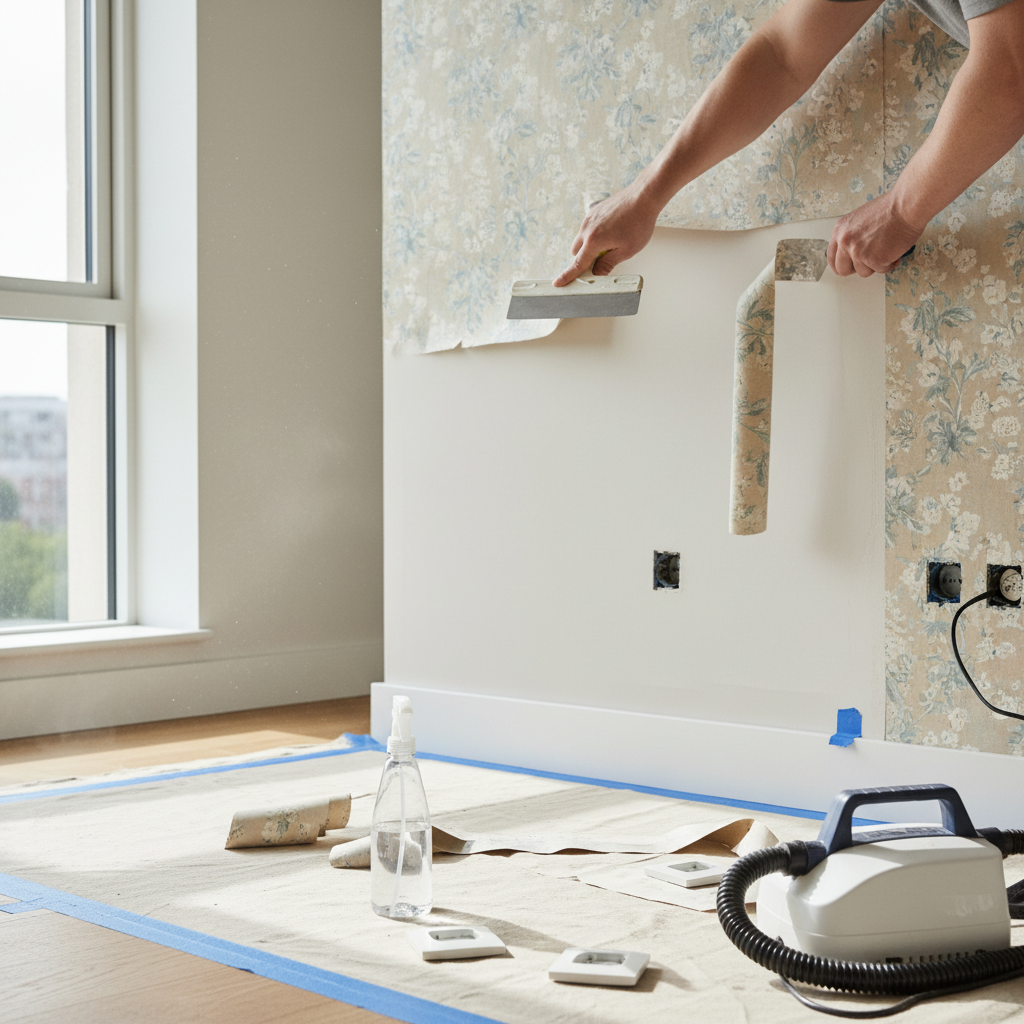
Start by protecting the space thoroughly before you remove a single strip. Move furniture away from the walls, cover it with drop cloths, and lay plastic or canvas sheeting over the floor, taping seams to prevent slipping. Turn off power to outlets and switches on the wallpapered walls, remove the cover plates, and tape over the boxes to avoid shocks or overspray. Open windows and run a fan if you plan to use chemical removers so fumes do not build up in the room while you learn how to remove wallpaper the safe way.
Next, identify what kind of wallcovering you have, since that determines how to remove wallpaper most efficiently. Gently lift at a seam with a putty knife: if the sheet pulls away in large pieces leaving little residue, it is likely strippable. If the patterned layer peels but backing remains, you are dealing with peelable paper. Vinyl feels plastic and resists water, usually needing perforation before soaking. Non‑strippable or painted‑over wallpaper tears in small pieces and may require scoring, hot water or stripper, and possibly a steamer for stubborn adhesive. Time yourself on a small test patch so you understand how long a full room will take.
Safety comes first on older homes and multi-layer walls. Always wear gloves and goggles, and use a respirator if sanding or working with strong chemicals. If the house was built before 1978, test any painted surfaces you might disturb for lead before you scrape, sand, or steam aggressively, and follow EPA lead-safe guidelines if the test is positive. Keep kids and pets out of the work area and handle steamers carefully to avoid burns from hot plates or dripping water as you work through how to remove wallpaper in older rooms.
Choosing the Right Wallpaper Removal Method
Once you know the paper type, choose the least aggressive method that works. For newer strippable products, the best way to start is simply dry peeling: lift a corner with a flexible putty knife and scraper set, then pull slowly at a shallow angle to release full sheets. This method is fast, cheap, and usually leaves only light glue that washes off with warm water and a sponge. If it fails, move up to scoring and soaking as your next technique in how to remove wallpaper without damaging drywall.
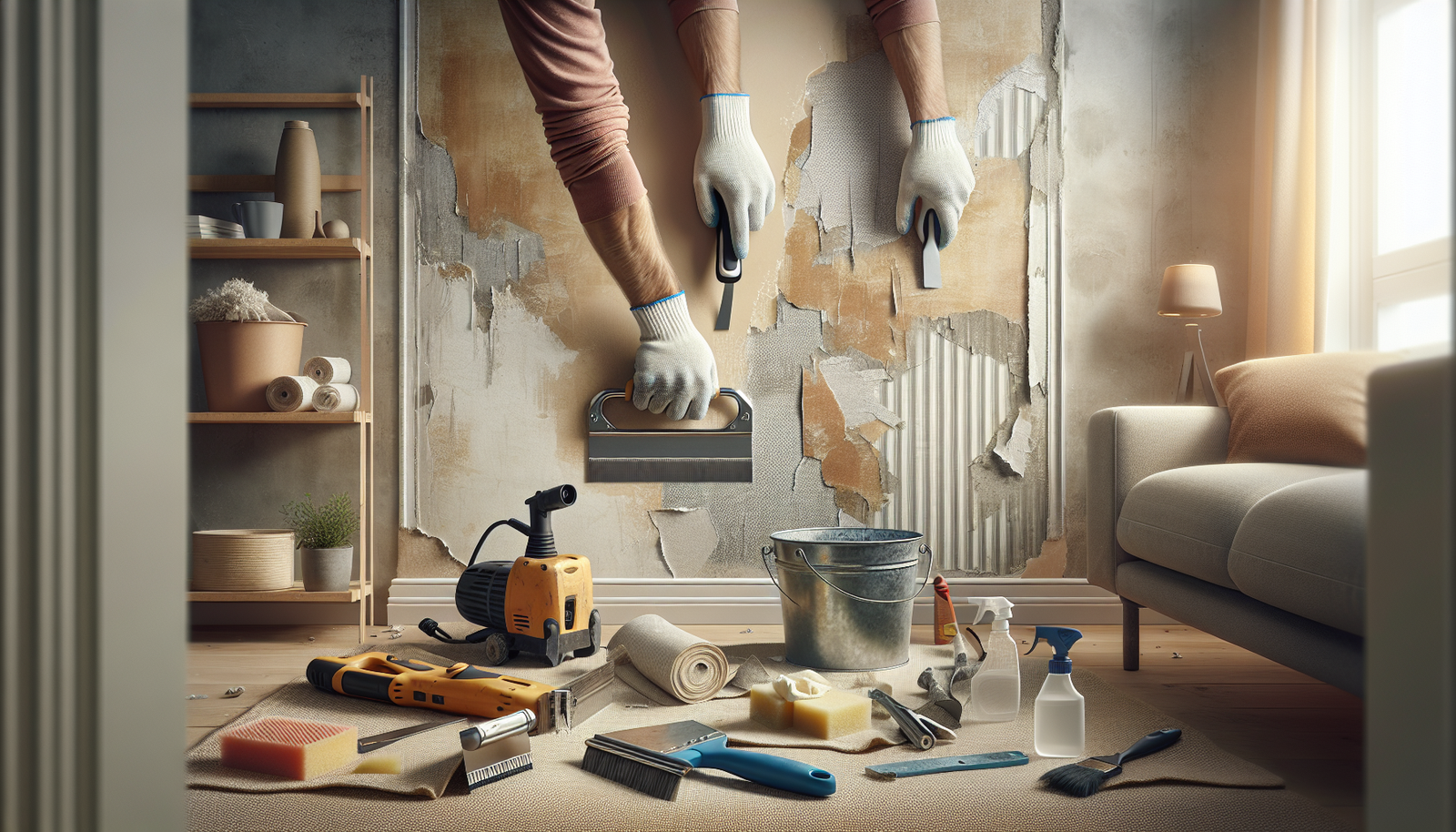
Most DIYers rely on the classic score-and-soak approach when deciding how to remove wallpaper that is non‑strippable or older. Lightly roll a wallpaper scoring tool over the surface in overlapping circles to puncture the top layer without gouging drywall. Then spray or sponge on a hot water mixture—either a commercial remover, or warm water with vinegar or fabric softener—and allow 10–20 minutes of dwell time before scraping. Work in small sections so the solution stays wet and use a wide plastic scraper at a low angle to peel softened paper.
For extremely stubborn adhesive, thick vinyl, or rooms with many layers, a steamer may be the most efficient way to remove wallpaper. An electric wallpaper steamer heats water to create steam that penetrates the paper and loosens glue. Hold the plate against the wall for 10–30 seconds, then immediately scrape while the backing is still soft. Take care not to over-saturate drywall or linger too long in one spot, and keep towels ready to catch drips around outlets and baseboards.
Chemical gel or liquid removers are another option when glue resists hot water or steaming. Apply with a roller or brush, allow dwell time per the label, and scrape gently as the adhesive dissolves, rinsing residue with clean water afterward. Choose low‑VOC products whenever possible and ventilate well. Mechanical methods like sanding or oscillating tools should remain a true last resort on small patches, since they create lots of dust and nearly always require skim coating afterward.
Step-by-Step: How to Remove Wallpaper Efficiently
No matter which technique you select, a systematic process makes the work smoother. Begin along a seam or damaged area where the paper is already loose and test whether a dry peel is possible. If it pulls easily, continue stripping in vertical sections, rolling removed paper into manageable bundles and dropping them straight into trash bags so the floor stays clear. When you hit resistance, transition to soaking or steaming that section rather than forcing it and gouging the wall—this mindset is key to learning how to remove wallpaper cleanly.
For score-and-soak removal, mix your solution in a pump sprayer or spray bottle, then saturate only one wall section at a time. Allow the liquid to penetrate until the paper darkens and starts to bubble slightly; then slide the scraper under the edges, working in overlapping passes. Keep your angle shallow to avoid digging into the drywall surface, and re-spray any areas that start to dry before you reach them. Expect to repeat this sequence two or three times on heavy or older wallpapers.
When using a steamer, follow manufacturer instructions carefully. Fill the tank to the indicated line, allow it to heat fully, and wear gloves to protect your hands from hot condensate. Work from the top of the wall downward, pressing the steam plate against the paper just long enough to soften the glue. As soon as the paper feels loose, set the steamer aside on a tray, and scrape that patch before moving on. Check the water level frequently so the unit does not run dry and cool completely before refilling.
Throughout the process, pause to address trouble spots rather than tearing through them. Over seams, outer corners, or around trim, you may need to re-score, spot-apply solution with a sponge, or combine steaming plus chemical remover on older glue. If you reveal signs of mold or chronic leaks while you remove wallpaper, stop and consult a qualified contractor or remediation specialist before closing the wall back up.
Repairing and Priming Walls After Wallpaper Removal
Once all the paper is gone, you still need to remove leftover paste to ensure paint or new wallpaper adheres correctly. Use warm water and a sponge or cloth to wash the entire wall, paying special attention to shiny or sticky spots where glue remains. Stubborn patches may respond better to a small amount of vinegar, dish soap, or a commercial adhesive remover; always rinse thoroughly afterward so the wall is free of residue. Work from the bottom up to avoid streaks and allow the surface to dry completely before inspecting for damage.
With the wall clean and dry, mark any dings, torn drywall paper, nail pops, or hairline cracks revealed by the removal process. Small problem areas can usually be filled with lightweight joint compound using a flexible knife. For larger tears or exposed gypsum, many pros recommend sealing first with an oil‑ or shellac‑based primer to lock down the paper and prevent bubbling, then applying compound in thin coats. Once the patches dry, sand lightly with fine grit to feather edges and wipe away dust with a damp cloth or HEPA vacuum.
In rooms where wallpaper removal was especially aggressive, a skim coat across entire walls may be the best path to a “like new” finish. Spread diluted joint compound in broad passes to even out minor texture differences left by old glue, sanding smooth after it dries. When the surface feels consistent to the touch, apply a high‑quality primer designed for previously wallpapered walls to seal repairs and create a uniform base for paint. Brands like Sherwin-Williams wall prep primers provide good adhesion and help prevent future peeling.
If your project is part of a larger makeover, this is also the ideal time to update trim, outlets, or even adjacent built-ins. For more ideas on refreshing adjoining spaces and cabinetry without a full remodel, see your internal post on updating old kitchen cabinets without replacing them. Linking related DIY projects together helps visitors move through your site and signals topical relevance for search engines.
Troubleshooting Tough Wallpaper and When to Hire a Pro
Even with the best planning, some rooms fight back and test your patience as you figure out how to remove wallpaper in difficult conditions. Multiple layers of old paper, heavy vinyl over unprimed drywall, and painted-over wallpaper can all complicate the process. When small fragments cling to the surface after steaming or soaking, gently sand just the remaining raised bits with fine paper and then patch, rather than grinding the entire area. If you encounter significant wall movement, crumbling plaster, or deep cracks, consider bringing in a professional to stabilize the structure before finishing.
Health and safety concerns are another reason to step back. Any evidence of persistent mold, significant water damage, or confirmed lead-based paint behind the wallpaper warrants professional evaluation. Certified contractors follow strict containment and cleanup standards, including HEPA filtration and specialized PPE, which protect both your family and the workers. While DIY saves labor costs, unexpected hazards make expert help the more economical choice in the long term.
Finally, weigh your own time and tolerance for messy work against the room size and complexity before deciding how to remove wallpaper yourself or hire out. A single small bedroom might take a weekend for a beginner, but a two-story foyer with tall walls or layered borders could stretch into many days. Professional wallpaper removal services typically price by square footage and condition; getting a couple of quotes can help you decide whether to continue yourself or hand off the hardest areas. Either way, knowing how to remove wallpaper correctly allows you to communicate clearly and ensure the job is done to a high standard.
Affiliate Disclosure: This post contains affiliate links. Purchases made through these links may earn a commission at no extra cost to you and help support Simply Make Home.