

Table of Contents
Why Update Old Kitchen Cabinets
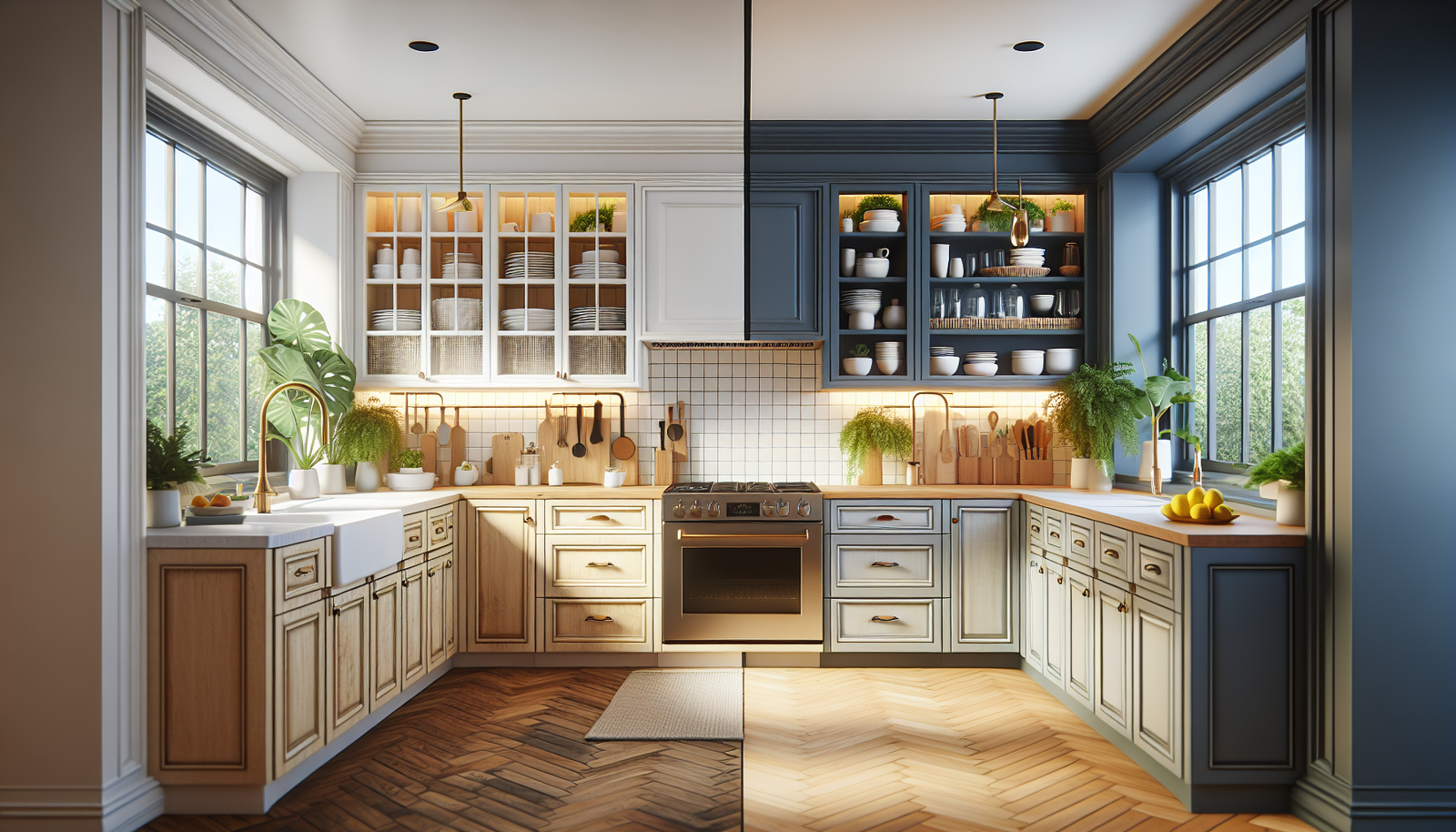
Choosing to update old kitchen cabinets instead of replacing them can transform your kitchen for a fraction of the cost of a full remodel. Fresh finishes, better storage, and modern hardware dramatically improve everyday function and resale value.
Simple upgrades like paint, refacing, and lighting often deliver 60–80% of the visual impact of new cabinetry. Home buyers respond strongly to clean, updated doors and drawers, so this project is a smart pre-listing strategy.
How to Assess Existing Cabinets
Before you update old kitchen cabinets, review structure and condition carefully. Check that frames feel solid, with no wobbling, sagging, or loose joints. Test doors and drawers for smooth operation and confirm faces are not badly warped.
Inspect areas around sinks and dishwashers for water stains, swelling, or soft spots. Note peeling veneer, cracked laminate, rusted hinges, and misaligned handles. If frames are severely rotted or collapsing, full replacement may be more economical.
Use a simple checklist: frame sturdiness, door alignment, drawer glides, veneer condition, and hardware quality. Take quick phone photos and measurements to guide shopping and quotes.
Prep Steps Before You Update Old Kitchen Cabinets
Thorough preparation determines how long your update will last. Start by cleaning cabinet boxes, doors, and drawer fronts with TSP or a DIY soap-and-vinegar mix, letting it dwell for 5–10 minutes before rinsing. Heavy grease near ranges may require a second pass.
Remove all doors, drawers, and hardware, then label each piece with painter’s tape so everything returns to the correct location. Bag hinges and screws by cabinet number. Address repairs now—fill gouges, reglue loose veneer, and replace any damaged plywood sections.
Sand wood surfaces with 120–180 grit and laminates with up to 220 grit. A random orbital sander speeds large runs while maintaining a smooth profile. For stains or glossy finishes, apply shellac-based or bonding primers; options like shellac primers block tannins and grease effectively. Expect 4–8 hours of prep for an average kitchen.
Painting Techniques for a Fresh Finish
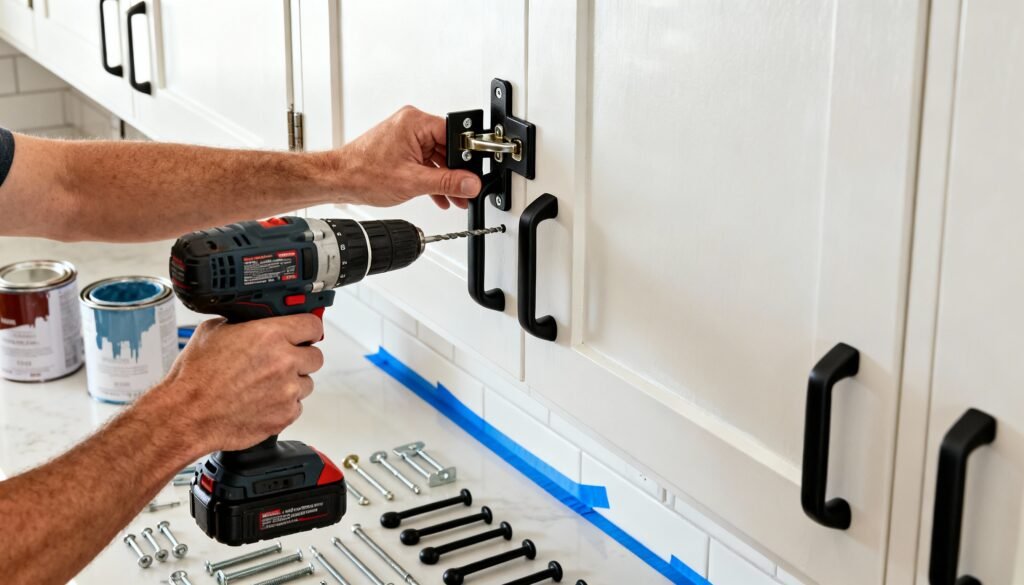
Painting is usually the most budget-friendly way to update old kitchen cabinets. Choose waterborne alkyds or high-quality acrylic enamels for hard, non-yellowing finishes that resist chipping.
For a professional look, many DIYers use an HVLP sprayer on doors laid flat, then a high-density foam roller for face frames. Apply thin coats, sanding lightly between layers for a silky feel. Popular color schemes include two-tone designs, warm whites, and muted greens.
For extra guidance on color choice and process, see the do-it-yourself tips in the Home Depot guide.
Cabinet Refacing vs Painting
Refacing replaces only the “skin” of your cabinets—door and drawer fronts plus a thin veneer on face frames—while keeping existing boxes. This route can update old kitchen cabinets that are structurally sound but visually dated.
DIY refacing kits, available in wood or laminate, typically save 30–40% compared with full replacement. Painting is cheaper up front but refacing delivers a more like-new, furniture-grade appearance and often lasts 10–15 years with proper care.
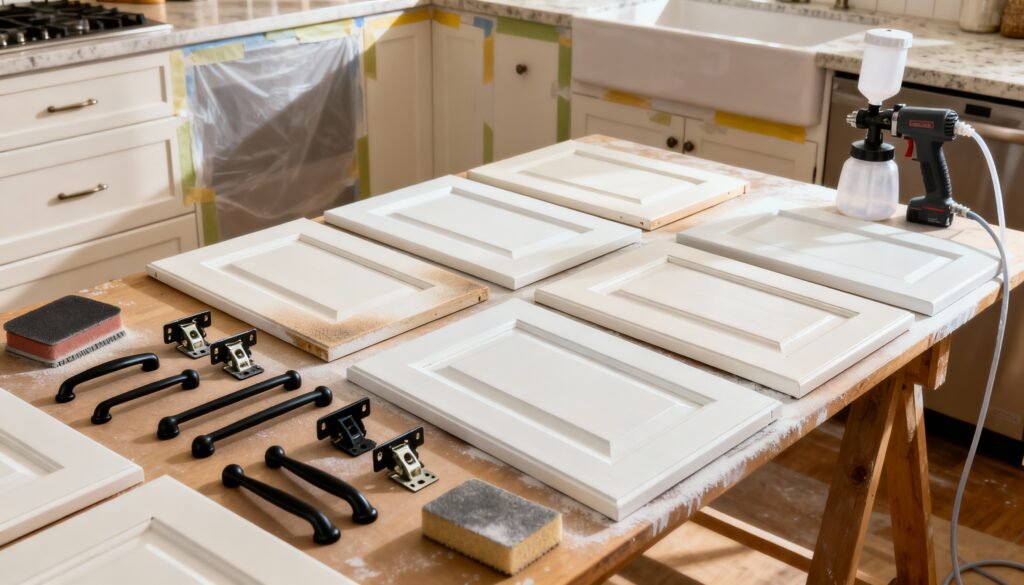
When refacing, precise hardware layout is critical. A hinge jig helps you drill repeatable holes for hinges and pulls, keeping doors aligned and gaps consistent.
Hardware, Lighting, and Organization Upgrades
Even if you do not repaint, swapping dated knobs and pulls for modern hardware instantly refreshes the room. Choose finishes that coordinate with faucets and appliances—brushed nickel, matte black, or warm brass remain popular.
Improve function with pull-outs, tray dividers, and soft-close mechanisms. Under-cabinet LED tape lighting brightens work surfaces and highlights freshly updated doors. For more layout ideas and storage tips, link to your own kitchen remodel guide within sections that discuss broader kitchen upgrades.
Plan simple maintenance: weekly wipe-downs with mild soap, quick tightening of loose screws each month, and touch-up paint on corners as needed.
Costs, Timelines, and When to Call a Pro
Painting cabinets as a DIY project usually runs $100–$400 in materials and takes 2–5 days, depending on kitchen size and drying time. DIY refacing can range from $700–$2,500, while full professional refacing or replacement climbs much higher. New hardware typically costs $40–$250 for an average kitchen.
To save, group tasks together—prep everything at once, paint in batches, and buy hardware in multipacks. Check your site’s news page for trend roundups and seasonal deals you can reference. When frames are rotted, severely warped, or layout changes are needed, bring in a licensed contractor or cabinet shop for quotes and design options.
When requesting bids, always ask for written line-item estimates that separate labor, materials, and optional extras like crown molding, pull-outs, or specialty finishes. Clear scopes reduce surprises and keep your update old kitchen cabinets project on budget.
Affiliate Disclosure: Contains affiliate links. Purchases support Simply Make Home at no extra cost.